
Building Better Healthcare Experience for Children National Children’s Day is commemorated every July 23 to remind all elements of society about the importance of fulfilling children’s rights, including the right to grow and develop healthily. This celebration serves as a reminder that children are the next generation who require protection, attention, and support from their surrounding environment. In Indonesia, efforts to create a healthy generation cannot be separated from the quality of health services available to children. Access to safe, friendly, and quality health services is one of the important factors in supporting optimal child growth and development. Through National Children’s Day, various parties are encouraged to continuously strengthen their commitment to creating an environment that supports both the physical and mental health of children, including through the improvement of the quality of health services in healthcare facilities. Awareness for Child Health Services Childhood is an important period that determines the quality of an individual’s health in the future. Various health conditions that go undetected or untreated from an early age have the potential to cause long-term impacts on a child’s growth, development, and quality of life. Therefore, National Children’s Day is an appropriate moment to raise public awareness about the importance of regular health check-ups, immunizations, monitoring growth and development, as well as the early detection of various health disorders in children. In addition to the caregiving role of the family as a determinant of children’s health, healthcare facilities also have a significant responsibility in providing services that can comprehensively meet children’s needs. Modern healthcare services need to prioritize promotive and preventive aspects to support optimal growth and development, so that child healthcare services are not only focused on treating children. With increasing environmental awareness regarding children’s health, there is also a greater opportunity to create a healthy, productive generation ready to face future challenges. Child-Friendly Pediatric Services with a Supporting Hospital System Children have healthcare needs that differ from those of adult patients. These differences are not only related to body size or the types of illnesses experienced, but also encompass physiological, psychological, emotional, and developmental aspects that continue to change with age. Infants, toddlers, school-aged children, and adolescents each have distinct health characteristics. Medical conditions commonly found in children often require different approaches to diagnosis, treatment, and monitoring compared to adult patients. Additionally, children are not always able to clearly express the complaints or symptoms they are experiencing, so healthcare professionals need to conduct more comprehensive observations and involve parents or caregivers in the healthcare process. Psychological aspects are also an important concern in child healthcare services. An unfamiliar hospital environment, medical procedures that cause fear, and temporary separation from parents can trigger anxiety in children. Therefore, healthcare facilities need to create a comfortable, safe, and supportive atmosphere so that children can undergo examinations and treatment more calmly. In addition to addressing illnesses, child healthcare services also play a role in supporting long-term growth and development. Monitoring nutritional status, vaccination schedules, motor development, cognitive abilities, and mental health are important parts of pediatric care that are not always found in healthcare services for adult patients. Therefore, child healthcare services require close collaboration with various healthcare professionals to optimally support the quality of life and growth and development of children. The Future of Children’s Healthcare Services The development of health technology is expected to continue transforming the way pediatric healthcare services are delivered in the future. The utilization of electronic medical records, integration of health data, data analysis, and digital-based health services will increasingly assist healthcare professionals in providing more professional and targeted care. On the other hand, the demand for patient-centered care will also continue to increase. Hospitals are not only required to provide high-quality medical services, but also a comfortable service experience for children and their families. To face these challenges, healthcare facilities need to continuously adapt by strengthening the quality of human resources, improving service quality, and utilizing technology that supports efficiency and service integration. National Children’s Day serves as a reminder that the best investment for the nation’s future begins with ensuring that every child has access to safe, quality, and sustainable healthcare services. With the support of technological innovation and collaboration among various parties, child healthcare services in Indonesia have a significant opportunity to develop into modern, integrated, and patient-oriented systems.

Get to Know Nafsiah Mboi: A Figure Behind the Struggle Against HIV/AIDS in Indonesia In 2012, the name Nafsiah Mboi began to attract public attention. At that time, she was entrusted by President Susilo Bambang Yudhoyono to succeed Endang Rahayu Sedyaningsih. During her tenure, she was recognized by the public as an Indonesian health figure dedicated to combating HIV/AIDS in Indonesia. Amid the growing challenges of the HIV/AIDS epidemic during her time, she promoted a more inclusive public health approach by improving access to healthcare services, conducting awareness and vigilance campaigns, and fostering cross-sector collaboration in handling HIV/AIDS cases in Indonesia. Her dedication and contributions have made her one of the important figures in the journey to combat HIV/AIDS in Indonesia, as well as an inspiration in efforts to build a health system that is more caring, educational, and human-oriented. A Brief Biography of Nafsiah Mboi Nafsiah Mboi was born in Sengkang, South Sulawesi, on July 14, 1940. She is a medical graduate and a pediatric specialist from the University of Indonesia, as well as a Master of Public Health graduate from the Prince Leopold Institute of Tropical Medicine in Antwerp, Belgium. Since her student days, Nafsiah Mboi has been actively involved in social activities and community service. Her work in the field of health became increasingly recognized through her contributions to family planning programs as well as her efforts in supporting the fight against HIV/AIDS in Indonesia. Her concern for health and humanitarian issues also drove her to advocate for the values of inclusivity and equal rights for the community. This commitment led Nafsiah Mboi to be actively involved in various organizations and institutions engaged in human rights and social protection. She is recorded as one of the founders of the National Commission for Child Protection of Indonesia, has served as a member of the National Commission on Human Rights, and held the position of Deputy Chairperson of the National Commission on Violence Against Women. Her extensive experience in the field of public health then led Nafsiah Mboi to hold various strategic positions, both at the national and international levels. Throughout her career, she actively contributed to the formulation of health policies focused on improving the quality of life of the community, particularly vulnerable groups such as women, children, and people in remote areas. The approach she advocated always positioned health as an inseparable part of comprehensive human development. In 2012, Nafsiah Mboi was entrusted to serve as the Minister of Health of the Republic of Indonesia. During her leadership, various efforts were made to strengthen the national health system, including improving access to basic health services, reinforcing preventive and promotive health programs, and preparing for the implementation of the National Health Insurance (JKN), which began in 2014. These policies became an important foundation in expanding public access to more affordable and sustainable health services. At the global level, Nafsiah Mboi is also known as a public health figure who actively voices various health issues, particularly related to HIV/AIDS, maternal and child health, as well as the strengthening of health systems in developing countries. Her experience and leadership have often led her to be trusted to participate in various international forums discussing the challenges and strategies of global health development. To this day, Nafsiah Mboi’s dedication continues to inspire future generations in the health sector. Her life journey demonstrates that health development requires more than just medical expertise; it also demands social concern, visionary leadership, and a strong commitment to ensuring that every individual has equal access to quality healthcare services. Her legacy of thought and service serves as a reminder that the advancement of the national health system can only be achieved through collaboration, innovation, and steadfast attention to the needs of the community. The Struggle Against HIV/AIDS in Indonesia HIV/AIDS remains one of the public health challenges that requires continuous attention in Indonesia. Since the first cases were identified in the 1980s, the government, together with various community organizations, healthcare workers, academics, and international partners, has continuously strived to control the spread of HIV infection through promotive, preventive, curative, and rehabilitative approaches. Various strategies have been implemented to reduce the transmission rate of HIV/AIDS. These efforts include enhancing public education and health campaigns, expanding voluntary HIV testing services, providing antiretroviral (ARV) therapy, implementing mother-to-child transmission prevention programs, and strengthening surveillance systems to monitor the development of cases across different regions. In addition, the government continues to promote the integration of HIV services into healthcare facilities so that the public can gain easier and more equitable access to testing and treatment. The development of information technology also supports efforts to control HIV/AIDS through improved quality of case recording and reporting, coordination between healthcare facilities, and monitoring the continuity of patient treatment. The utilization of an integrated health information system becomes one of the important elements in ensuring that accurate data is available to support decision-making and the planning of more effective health programs. Although various efforts have been made, the control of HIV/AIDS in Indonesia still faces a number of challenges. One of the biggest obstacles is the stigma and discrimination that continue to be associated with people living with HIV/AIDS (PLWHA). This situation often makes individuals reluctant to undergo testing, seek treatment, or disclose their health status due to fear of rejection from their social environment or workplace. As a result, many new cases are detected late, thereby increasing the risk of further transmission. In addition to stigma, disparities in access to healthcare services also pose a distinct challenge, particularly in remote and island regions. Limitations in healthcare facilities, medical personnel, as well as the distribution of diagnostic and treatment services, can affect the success of HIV/AIDS control programs. On the other hand, the varying levels of health literacy result in information regarding the prevention, transmission, and treatment of HIV not being fully understood by all segments of society. Social and economic factors also play a role in the complexity of HIV/AIDS management. High population mobility,

Zoonosis and Challenges in Hospital Service Digitalization All living organisms tend to mutate for the purpose of survival. In 2019, the world was shaken by a virus that mutated to infect humans, namely SARS-CoV-2 (COVID-19). The virus initially only infected bats, but it is suspected to have undergone genetic recombination, enabling it to infect humans through other animals. Therefore, SARS-CoV-2 is classified as a zoonotic disease, which is a disease that has the potential to be transmitted from animals to humans. Hospitals Need to Be Cautious of Zoonoses As a healthcare facility, hospitals play an important role in the early detection, patient care, and control of the spread of zoonotic diseases. Patients presenting with initial symptoms of zoonotic diseases are sometimes not immediately identified, which can potentially increase the risk of exposure within the hospital environment if not managed with proper procedures. The risk of transmission through direct contact, bodily fluids, or contaminated environments necessitates that healthcare facilities maintain vigilance and have effective management systems in place to protect both patients and healthcare workers. In addition to the risk of transmission to other patients, zoonoses can also endanger healthcare workers on the front lines of service. Exposure to bodily fluids, droplets, or contaminated surfaces can increase the risk of infection if safety and infection control protocols are not fully implemented. Therefore, sterilization procedures with the use of Personal Protective Equipment (PPE), sterilization of medical instruments, and management of medical waste are essential. Through increased awareness of health protocols, discipline in adhering to health protocols, and the preparedness of healthcare facilities, the risk of zoonotic transmission in hospital environments can be minimized in order to safeguard the safety of patients, healthcare workers, and the community as a whole. Challenges in Handling Zoonosis with Manual Patient Records The management of zoonotic diseases requires a rapid, accurate, and coordinated process of patient identification and monitoring. In certain situations, delays in information can affect the diagnostic process and increase the risk of disease transmission within healthcare facilities. Therefore, patient data management becomes one of the crucial aspects in supporting the optimal handling of zoonoses. Manual medical record-keeping can present several obstacles to the smooth flow of hospital services, especially in situations involving high patient mobility. The manual recording process carries risks of delayed information access, recording errors, incomplete data, and difficulties in tracing patient history. In cases of zoonosis, information such as travel history, contact with animals, and initial patient symptoms becomes crucial data that needs to be accurately documented and easily accessible to healthcare personnel. Additionally, manual recording can also hinder coordination between hospital service units. When patient information cannot be accessed quickly and in an integrated manner, the processes of observation, laboratory examination, and medical follow-up are potentially delayed. This condition can increase the risk of exposure to other patients as well as healthcare personnel if zoonotic diseases have not been accurately identified. Another challenge is the process of monitoring patients over a certain period. Zoonotic diseases often require continuous observation and evaluation of the patient’s condition. Manual recording processes have the potential to make documentation of patient condition developments less efficient, especially as data becomes more vulnerable to being scattered across various units. Therefore, the management of patient data in a more structured and integrated manner becomes increasingly important in supporting the preparedness of healthcare facilities against zoonotic diseases. The speed of information access, data accuracy, and coordination among healthcare personnel are crucial factors in facilitating a more effective treatment process while also supporting the safety of patients and medical staff within the hospital environment. The Role of Hospital Management Information System (HMIS) in the Management of Infectious Diseases In the management of infectious diseases, particularly zoonoses, the speed of information access and coordination among service units becomes a crucial factor in assisting the process of diagnosis, monitoring, and controlling the risk of disease spread. Therefore, an integrated hospital information system plays an important role in supporting healthcare facilities to carry out services more effectively and in a coordinated manner. Hospital Management Information System (HMIS) assists in the digital management of patient data, allowing medical information to be accessed more quickly and accurately by relevant healthcare personnel. The integration of data across departments also helps accelerate coordination between registration units, outpatient clinics, laboratories, pharmacies, and inpatient wards. With more structured and real-time access to information, healthcare personnel can conduct observations and medical interventions more promptly, thereby helping to minimize the risk of delayed treatment or the spread of diseases within the hospital environment. In addition to supporting medical services, the HMIS also assists in the continuous process of patient monitoring and documentation. Digitally stored medical examination histories and actions make it easier for healthcare personnel to evaluate the patient’s condition over time. This is particularly important in communicable diseases that require intensive observation and ongoing treatment. Medinfras is committed to improving the efficiency of healthcare facility services while also strengthening preparedness in facing the risk of infectious diseases. We believe that appropriate health technology support can help hospitals serve patients and healthcare workers more quickly, safely, and in a coordinated manner.

The digital transformation of healthcare in Indonesia continues to experience significant development, particularly since the implementation of SATUSEHAT as the national health data interoperability platform. In this process, the digitalization of healthcare services requires not only adequate technological support but also the enhancement of human resource capacity to manage and operate the system. Therefore, healthcare facilities need to continuously follow the development of regulations, data standards, and applicable integration mechanisms. Continuous training and learning become one of the important factors to ensure the system’s implementation runs optimally and in accordance with national needs. Medinfras’ Open Class Training as a Platform for Knowledge Sharing As a company providing Hospital Management Information System (HMIS) solutions, Medinfras is committed to routinely organizing Open Class Training (OCT) as a platform for sharing knowledge and experience. This program is open to customers from various healthcare facilities who wish to deepen their understanding of developments in health technology and the implementation of health information systems. Through this activity, Medinfras seeks to support the improvement of system users’ competencies while also assisting in addressing the continuously evolving challenges of digital transformation, creating a sense of calm and comfort. In the June OCT event, Medinfras adopted the theme: Mapping & Integration of SATUSEHAT. This topic was chosen due to the high demand for healthcare facilities to understand the process of data integration with the SATUSEHAT platform. In addition to discussing the basic concepts of health data interoperability, this OCT also reviewed materials regarding SATUSEHAT, the laws protecting patient data, data mapping, data transmission, and understanding the SATUSEHAT resources used in the exchange of health information. Furthermore, through the OCT, Medinfras hopes that healthcare facilities will become more attentive to complying with standards, forming a SATUSEHAT Team, and establishing adequate workflows to support the integration of hospital data with SATUSEHAT. To ensure that participants gain relevant and applicable insights, the June OCT session features speakers with direct experience in the development and implementation of digital health systems. The training session is delivered by Michael Andhika Mahendra Pratama, an Application Developer who serves as the Person-in-Charge (PIC) in the Intercon division, and Davit Haryawan, an Application Consultant at Medinfras. The presence of speakers who are directly involved in system development and implementation support adds value for participants, as the material presented is not only theoretical but also based on real experience and the actual needs of healthcare facilities in Indonesia. In order to create a more comprehensive learning experience, the Open Class Training not only focuses on the delivery of theoretical material. The activity is also equipped with practical sessions and question-and-answer segments that allow participants to express various challenges they face during the implementation process. In addition, quizzes and evaluations are also conducted as a means to measure participants’ understanding of the material presented. This approach makes the training more applicable and oriented towards enhancing participants’ competencies. The integration of SATUSEHAT is a strategic step in realizing a connected, standardized, and sustainable digital health ecosystem. Its successful implementation requires collaboration between technology providers, healthcare professionals, and healthcare facilities. Through Open Class Training, Medinfras hopes to continuously contribute to enhancing the readiness and competence of health stakeholders, so that the digital health transformation in Indonesia can proceed more optimally and provide broader benefits for society. Through the June 2026 OCT, 95% of participants from Medinfras healthcare service customers felt that their expectations and goals were achieved after participating in the entire training series. Medinfras is not only committed to providing HIS technology solutions, but we also aim to make a real contribution in maximizing the utilization of the systems used through education and competency development. We invite other healthcare facilities to participate in the next Medinfras Open Class Training and together build an increasingly integrated, effective, and sustainable digital health ecosystem in Indonesia.

Be Connected & Present with Yourself Through Yoga: Wellness, Wisdom, and World Peace In the amidst of increasingly busy routines and the continuously evolving demands of life, maintaining mental health has become an increasingly important matter to pay attention to. Work pressures, daily activities, and constant exposure to information can affect an individual’s emotional condition, stress levels, and personal balance. Many individuals have begun to feel mentally exhausted, lose focus, and struggle to truly be present in the current moment. The importance of mental health is often only realized when someone begins to feel emotionally overwhelmed or experiences a decline in productivity. In fact, paying attention to mental health can start with simple steps, such as maintaining a balanced lifestyle, taking time to rest, and giving oneself space to engage in activities that calm the mind. Through the moment of International Yoga Day, we are reminded that health is not only related to physical condition, but also encompasses mental and emotional well-being. Yoga is not merely seen as a physical exercise activity but also as a practice that helps individuals build self-awareness, train their breathing, and create tranquility amidst the dynamics of modern life. Yoga activities teach the importance of maintaining a balance between the body, mind, and emotions as part of the effort to reconnect with oneself. With the increasing awareness of mental health, simple practices such as yoga and grounding techniques are now increasingly recognized as ways to help individuals feel calmer, more focused, and fully present in carrying out daily activities. Maintaining the Balance of Well-being and Mental Calmness Mental balance does not mean that a person always feels happy or is free from problems, but rather the ability to face life’s pressures in a healthier and more controlled manner. Maintaining a balance between activities, rest, and emotional needs is important to help the body and mind function optimally. One of the challenges in the modern era is the habit of staying constantly active without giving the body and mind time to rest. This condition can lead to prolonged stress, difficulty concentrating, and mental fatigue. Therefore, it is important for individuals to begin recognizing their bodies’ and emotions’ signals, as well as to take time to engage in activities that help create a sense of calm and comfort. The Benefits of Grounding for Mental Well-Being Grounding is a technique that helps individuals return their focus to the current condition or present moment. This technique aims to help a person feel calmer, more stable, and connected with themselves, especially when experiencing stress, anxiety, or emotional pressure. Grounding can be done through various simple methods, such as regulating breathing, paying attention to bodily sensations, walking mindfully, or focusing on the surrounding environment. This practice helps reduce excessive thinking (overthinking) and assists the body in becoming more relaxed. In addition to helping calm the mind, grounding can also enhance self-awareness and assist individuals in better understanding their emotional state. By practicing focus on the present moment, a person can more easily manage stress and maintain mental balance in daily life. Maintaining Mental Well-Being through Yoga and Simple Grounding Techniques As one of the practices that combines body movements, breath control, and meditation, yoga has become an activity widely undertaken to help maintain mental well-being. Yoga not only helps improve flexibility and physical health, but also helps the body and mind become more relaxed. Through movements performed slowly and in a controlled manner, yoga helps individuals become more aware of their bodily conditions and trains them to focus on their breathing and the present moment. This is what makes yoga often associated with grounding practices, as it helps a person feel calmer and more connected with themselves. In addition to yoga, simple grounding techniques can also be applied in daily activities to help reduce stress and improve focus. One relatively easy method to practice is the 5-4-3-2-1 technique, which involves becoming aware of: 5 things that can be seen, 4 things that can be touched, 3 things that can be heard, 2 things that can be smelled, and 1 thing that can be felt. This technique helps shift focus away from overthinking toward the present moment, allowing the body and mind to become calmer. Through practices carried out consistently, yoga and simple grounding techniques can become part of efforts to maintain emotional balance and support mental health in daily life.
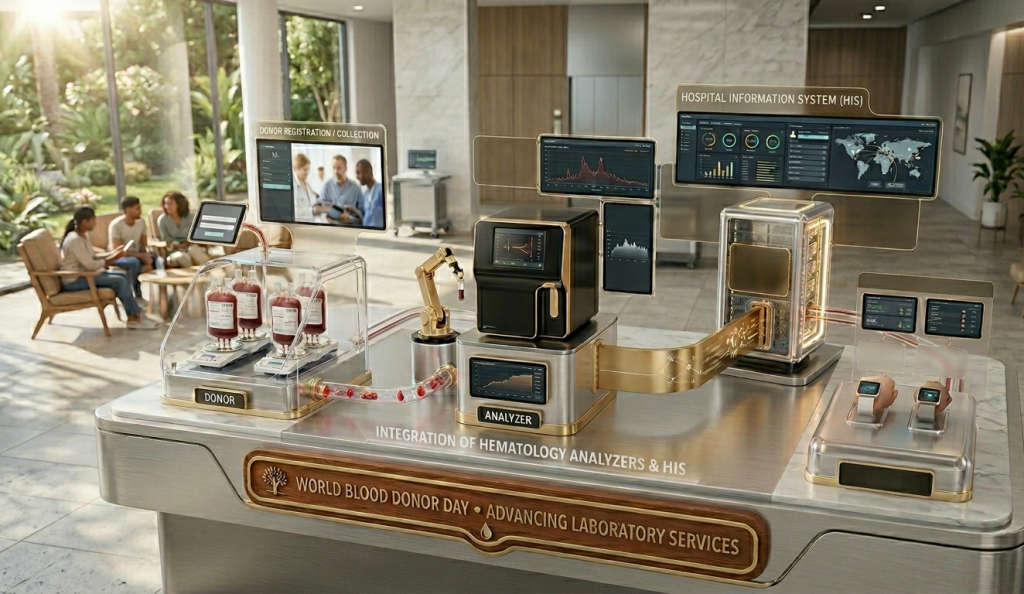
World Blood Donor Day: Advancing Efficient & Accurate Lab Services through Integration of Hematology Analyzers and Hospital Information Systems Do you donate your blood regularly? A single drop of your blood can give hope and save the lives of many people in need. In 2005, the World Health Organization and three international organizations involved in blood donation initiated “World Blood Donor Day,” which is observed every June 14. June 14 was deliberately chosen because it coincides with the birthday of Karl Landsteiner, the scientist who discovered the blood group system. This annual global event is held as a reminder and a form of appreciation for the millions of volunteers who regularly donate their blood. In the blood donation process, there is a series of examinations and medical procedures carried out to ensure the safety and quality of the blood to be used. The blood donation process begins with registration and an initial examination, where the staff ensures the health condition of the prospective donor. After that, blood is drawn in a safe amount, and then a blood sample is sent to the laboratory for testing. These tests determine blood type, hemoglobin levels, and other health conditions. The results help ensure a safe donation, both for the recipient and the donor, while also ensuring a high-quality blood supply. Hematology examination becomes one of the important stages in assisting medical personnel in evaluating blood conditions, both for donor screening needs and patient care. Each blood sample must be examined carefully, from blood type to other health parameters. This is where technology plays a significant role. The integration of a hematology analyzer with the Hospital Management Information System (HMIS) allows examination results to be obtained automatically and accurately. With the integration between laboratory devices such as the Sysmex’s Hematology Analyzer and the hospital information system, it ensures that examination results are obtained automatically and accurately. Through integration with Medinfras’ Hospital Information System (HIS), the management of examination data can be carried out quicker, in a structured manner, and in an integrated way to support higher quality healthcare services. Technology integration not only enhances service quality but also supports safety and security in accordance with existing standards. Thus, the blood donor process in hospitals becomes safer, more efficient, and quality-assured, supporting a better overall service ecosystem for patients and donors.

Enhanced Patient Safety Through Collaboration and Healthcare Technology Innovation National Safety Month is an annual campaign held in the United States with the aim of raising public awareness and encouraging the wider community to build a culture of safety through collaboration, education, and sustainable technological support. In the context of the healthcare world, patient safety has become one of the aspects that cannot be separated from the quality of hospital services. Amid the complexity of the continuously evolving medical service system, hospitals are required to be able to provide services that are not only fast and efficient but also safe for both patients and healthcare workers. Along with the development of digital transformation in the healthcare sector, technology also plays a role in supporting coordination between units, more accurate patient data management, and faster integrated access to medical information. With collaboration running optimally and the support of the right systems, healthcare facilities can enhance patient safety while providing more efficient services oriented towards patient quality of life. Collaboration to Improve Patient Safety Patient Safety is a shared responsibility that involves various parties in the healthcare service process. In a hospital environment that has complex workflows and involves many units, good collaboration between medical personnel, administrative staff, patients, as well as hospital system support is an important factor in creating safe and high-quality services. Medical personnel play a primary role in the process of diagnosis, treatment, and monitoring of patient conditions. However, optimal healthcare services also require support from administrative staff to ensure that patient data is accurately recorded, service schedules are properly coordinated, and administrative processes are properly conducted. The accuracy of information and communication between units is an important part of helping to minimize the risk of errors in service delivery. On the other hand, patient involvement is also an equally important aspect in enhancing patient safety. Patients’ understanding of treatment procedures, medical history, and medical instructions can help the service process run more effectively. Open communication between patients and healthcare professionals also supports a medical decision-making process that is more accurate and aligned with the patients’ needs. In supporting this collaboration, an integrated hospital system helps accelerate the exchange of information between units so that patient data can be accessed more accurately and efficiently. With good coordination between human resources and technological support, the risk of service errors can be minimized to support a more optimal quality of healthcare services. The Importance of Training, Awareness, and Sensitivity to Healthcare Service Risks Healthcare service environments have a high level of risk because every service process is directly related to patient safety. Therefore, continuous training becomes an important part in assisting healthcare workers to understand work procedures, system usage, as well as the appropriate handling steps in various situations. In addition to technical competence, concern and sensitivity to risks are also important aspects in building a patient safety culture. Thoroughness in examining patients, the ability to recognize potential errors, as well as good communication among healthcare professionals can help reduce the risk of human error in both medical and administrative services. Awareness to remind each other, report potential risks, and carry out procedures according to standards is also part of the safety culture that needs to be built consistently. With a combination of training, care, and good coordination, healthcare facilities can create a safer service environment for both patients and medical staff. Technology as Support for Safer Hospital Services The development of health technology also provides important support in improving the safety and efficiency of hospital services. The digitization of systems helps the process of managing patient data to be more structured, faster, and accurate, thereby supporting medical decision-making more effectively. In realizing patient safety, Medinfras is committed to facilitating healthcare professionals in accessing patient data in real-time. Consequently, medical records, laboratory results, pharmacy services, and hospital administration become more accurate and practical, thereby helping to reduce the risk of information delays in the service process. In addition to supporting medical services, patient safety is also closely related to the security and confidentiality of patient data. The management of medical data conducted digitally and in an integrated manner helps hospitals maintain the accuracy, consistency, and accessibility of patient information in accordance with service needs and data security standards. A structured system also helps minimize the risks of data loss, information discrepancies, and unauthorized data access. With the right technology support, healthcare workers can obtain patient information more quickly and safely to support a more optimal service process. Therefore, digital transformation not only plays a role in improving hospital operational efficiency, but also becomes an important part in supporting the comprehensive implementation of patient safety.

Promoting Brain Health Awareness with Preventive Care and Smarter Healthcare Technology Every year, the month of June is observed as Alzheimer’s & Brain Awareness Month as a moment to raise public awareness about the importance of maintaining brain health and recognizing the risks of cognitive disorders early on. With increasing life expectancy and changes in modern lifestyle, the issue of brain health is becoming an increasingly important concern, especially regarding neurodegenerative conditions such as Alzheimer’s. Alzheimer Is Not Just Forgetfulness Alzheimer’s is a progressive neurodegenerative disease that causes a gradual decline in brain function. This disease impacts memory, thinking abilities, language, behavior, and the capacity to perform daily activities. The disease process begins with the emergence of damage and death of nerve cells in the brain and progresses over time. The damage that occurs is associated with two biological changes in the affected individual’s body, namely: (1) The accumulation of beta-amyloid protein (amyloid plaques) that disrupts communication between neurons, and (2) Abnormalities in tau protein tangles, which normally help maintain the structure of neurons, but instead wrap around nerve cells, thereby obstructing nutrient transport and ultimately causing cell death. The earliest nerve cell damage generally occurs in the part of the brain involved in memory formation, such as the hippocampus. As the disease progresses in the patient’s brain, other areas that regulate language ability, decision-making, behavior, and bodily senses are also affected. Recognizing the Difference between Normal Forgetfulness and Cognitive Decline As individuals age, they may experience changes in memory ability. However, not all forgetfulness is a sign of a serious disorder. It is important to understand the difference between normal forgetfulness and cognitive decline, so that certain conditions such as Alzheimer’s can be recognized earlier. Forgetting at a normal level is generally still considered mild and does not interfere with daily activities. For example, if an individual occasionally forgets where they placed an item or forgets the name of something, but is ultimately able to recall it. This condition is usually influenced by fatigue, stress, lack of sleep, or aging. On the contrary, cognitive decline occurs when memory impairments begin to affect the ability to think, communicate, make decisions, and carry out daily activities. Individuals often repeat the same questions, have difficulty following conversations, are easily confused about time or place, and may experience changes in behavior and mood. The main difference also lies in the frequency, severity, and impact on quality of life. In normal forgetfulness, a person is still able to carry out activities independently. Meanwhile, in cognitive decline, the disturbances that occur tend to be increasingly progressive and can affect the individual’s independence. Early Symptoms That Are Often Unnoticed Alzheimer’s symptoms usually develop gradually, including: Easily forgetting, especially new information, Difficulty communicating or finding words, Confusion about time or place, Decline in the ability to think and make decisions, Changes in mood and behavior. Brain Stimulation and a Healthy Lifestyle as Preventive Measures Maintaining brain health is an important step that can be taken to reduce the risk of Alzheimer’s and cognitive decline. Although Alzheimer’s cannot yet be fully cured, various studies indicate that brain stimulation and the adoption of a healthy lifestyle can help preserve cognitive function and support long-term brain health. Efforts that can be made include providing mental and physical stimulation regularly. Activities such as reading, writing, solving puzzles, learning new skills, and maintaining social interactions can help train thinking abilities, memory, and concentration. Physical activities such as regular exercise can help improve blood and oxygen flow to the brain and support vascular health, which is closely related to cognitive function. In addition, a healthy diet is also an equally important factor. Consuming foods with a balanced nutrition that are rich in antioxidants, vitamins, minerals, and omega-3 fatty acids can help protect nerve cells from damage. Furthermore, maintaining sleep quality and managing stress effectively also contribute to brain health. Routine Check-Up for Monitoring Brain Health Continuous medical examinations and record-keeping play an important role in helping to monitor patients’ conditions over the long term, especially in Alzheimer’s disorders. Through routine check-ups, healthcare professionals can assist in observing patients’ medical histories more comprehensively, including symptom development, examination results, and responses to the therapies or treatments provided. In supporting the long-term monitoring process, hospital information systems such as Medinfras play an important role in assisting the management of patient data more efficiently and in a structured manner. The integration of medical data facilitates healthcare professionals in accessing patients’ examination histories in real-time, allowing the processes of observation, evaluation, and medical decision-making to be carried out quickly and accurately. Through continuous digital medical recording, healthcare facilities can also enhance the continuity of patient care and minimize the risk of loss or mismatch of medical data. With the support of integrated health technology, the process of monitoring patient conditions can run more optimally to support the quality of service and patient safety.

World No Tobacco Day: The First Step Towards a Healthier Life Every year, millions of people worldwide face serious health problems due to tobacco consumption. Awareness of these dangers continues to be amplified, one of which is through an important globally commemorated moment to encourage people to care for their health once again. What is World No Tobacco Day? World No Tobacco Day is a global campaign commemorated every May 31st. This initiative was first introduced by the World Health Organization (WHO) in 1987. The goal is to draw global attention to the tobacco epidemic, encourage strict policies from governments, and invite the public especially smokers to stop consuming tobacco for a full 24 hours as a first step. This global campaign is highly relevant and urgent to continuously be voiced given the high rate of consumption of these products in our society. The Reality of Tobacco Use Looking at the current situation, tobacco use has become a massive and deeply rooted global public health issue. Its use is no longer limited to conventional cigarettes. Tobacco has evolved into various other forms that are often considered “more trendy” or misunderstood as being safer, such as: E-Cigarettes (Vapes): Still contain liquid nicotine and artificial chemicals. Chewing/Smokeless Tobacco: Smokeless use placed on the gums. Cigars and Shisha: Smoking alternatives with equally fatal health risks. The high rate of use of these various product variations leads us to one important question: what is actually hiding behind these deadly rolled leaves? Dangerous Ingredients in Tobacco The appeal of tobacco products often masks the horrifying facts about their composition. The smoke produced by burning tobacco contains more than 7,000 chemicals, hundreds of which are highly toxic and about 70 are carcinogenic (cancer-causing). Some of the main ingredients include: Nicotine: A strong addictive substance that manipulates the brain, making users addicted and find it hard to quit. Tar: A sticky, brown residue that settles in the lungs. Carbon Monoxide (CO): A toxic gas that binds to hemoglobin in the blood, blocking the oxygen supply to the entire body. Other Toxic Substances: Including ammonia (floor cleaner), acetone (nail polish remover), and formaldehyde (embalming fluid). The continuous entry of thousands of toxic and deadly substances into the body automatically makes tobacco the biggest enemy of vital human organs. Health Threats of Tobacco With such destructive contents, the impact of tobacco on health is extremely fatal, both for active smokers and passive smokers (people nearby who inhale the smoke). Its regular consumption is a shortcut to various deadly diseases, such as: Respiratory Diseases: Damages the airways, triggering Chronic Obstructive Pulmonary Disease (COPD) and asthma. Cancer: Primarily triggers lung, mouth, throat, and bladder cancers. Cardiovascular Diseases: Causes narrowing of blood vessels leading to heart attacks and strokes. Pregnancy Complications: Risks causing premature birth, low birth weight, and even miscarriage. Seeing the magnitude of these deadly disease threats, merely realizing the danger is not enough. Taking real steps to break the chain of addiction is a must. How to Reduce and Stop Using Tobacco Although nicotine is addictive, quitting tobacco is not impossible. This process does require strong commitment and the right strategy. Here are effective, mutually supportive steps to break free from the trap of tobacco: Strengthen Your Intention (Cold Turkey): Set a specific date to stop completely at once. Nicotine Replacement Therapy (NRT): Gradually use nicotine gum or skin patches to relieve withdrawal symptoms. Identify and Avoid Triggers: Stay away from situations or hangout spots that trigger the urge to smoke, and distract yourself by chewing sugar-free gum or drinking water. Regular Exercise: Sweating helps reduce stress and suppresses the urge to smoke again. Seek Professional Support: Consult a doctor or join a smoking cessation counseling service. If the process and steps to break free from this addiction are successfully navigated, you will welcome a new chapter full of positive things. The Benefits of Living Without Tobacco Entering a life without tobacco is the best health investment for yourself as well as a form of unconditional love for your loved ones around you. The benefits are very real and can be directly felt continuously, including: Physical Health and Better Breathing: Your lung function will gradually improve, your body’s energy will skyrocket for daily activities, and breathing will feel much lighter. Fresher Appearance: Positive changes radiate from the outside; skin avoids dullness and premature aging, teeth are clean again, and breath is free from bad odor. Healthier Financial Condition: The money usually “burned” to buy tobacco products can now be allocated for future savings or other more beneficial needs. Protection for the Family: Your decision successfully creates a home environment free from toxic smoke, keeping your family away from the deadly shadows of being passive smokers. World No Tobacco Day is not just an annual ceremony, but a reminder that true freedom is when we are able to control ourselves, not be controlled by a cigarette. Let’s create a clean environment and a healthy body, starting with your decision today.
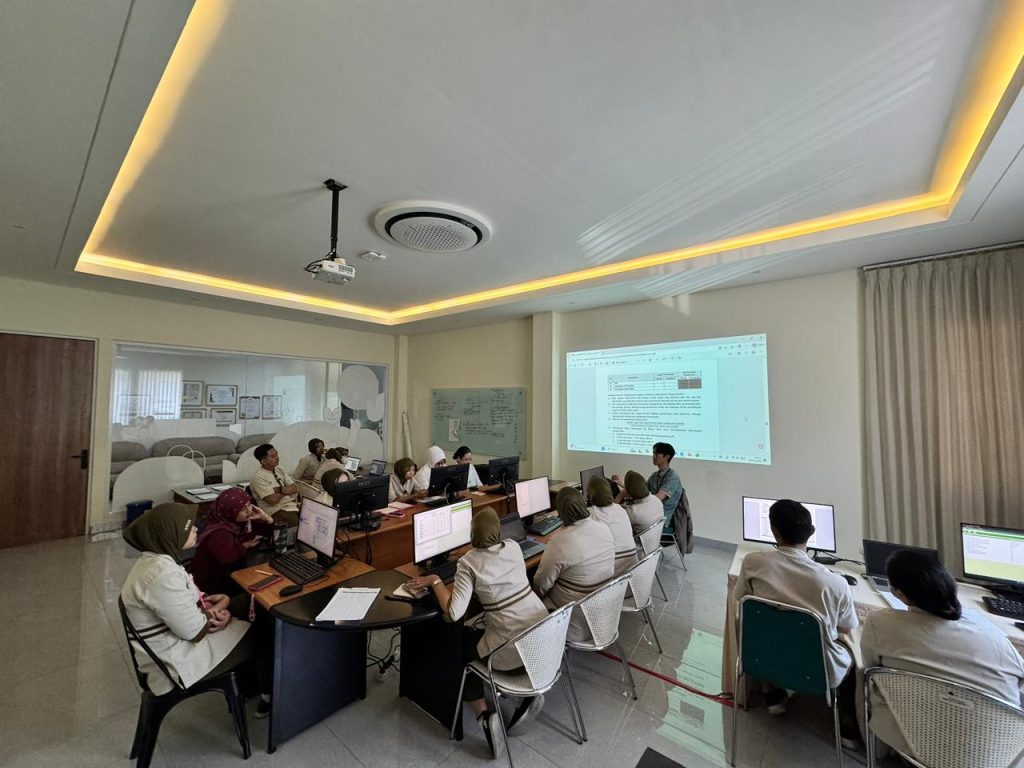
Successful Implementation of Hospital Management Information Systems (SIM-RS) Through the Enlighten Project Implementation Approach Hospital digital transformation is not simply about replacing legacy systems with new applications. The implementation of a Hospital Information System (HIS) requires organizational readiness, a well-structured implementation strategy, and strong collaboration between the vendor and the hospital. Through the Enlighten Project approach, HIS Medinfras and Medinfit provide a structured, measurable, and long-term transformation solution designed to ensure sustainable success. One example of a systematic implementation can be seen in modern hospital project phases, which cover the entire process from initial preparation to Go Live and Project Closing. Enlighten Project: The Foundation of Hospital Digital Transformation In the implementation of HIS Medinfras and Medinfit, success is not measured solely by a functioning system, but also by the hospital organization’s ability to adapt to change. Therefore, Medinfras and Medinfit introduce the 3A concept as part of the Enlighten Project: Adapt Hospitals need to adapt to a more integrated, efficient, and standardized digital workflow. This phase begins from the assessment process through master data preparation and infrastructure readiness. This stage serves as an essential foundation to ensure that all departments share the same understanding of the system workflow that will be implemented. Adopt The success of implementation is strongly influenced by the hospital’s ability to adopt common practices that have proven effective in various healthcare institutions. HIS Medinfras and Medinfit emphasize: Standardized business processes Best practice-based implementation Minimal customization (less customization) More stable and scalable workflows This approach helps hospitals reduce implementation complexity, accelerate user adaptation, and simplify future system maintenance and development. Customization remains possible, especially for specific reporting and printing requirements, but it is carried out in a controlled and measurable manner to maintain system stability. Adept The final stage focuses on building an organization that becomes proficient (adept) in utilizing the system optimally. Training sessions and system simulations are conducted intensively to ensure that all users fully understand the digital workflow before the system is officially launched. Clear and Structured Project Organization One of the key factors behind successful HIS implementation is a well-defined project organization structure. In Medinfras and Medinfit implementations, each party has clearly defined roles and responsibilities, both from the hospital side and the implementation team. Each project phase includes: Project Progress Meetings Implementation phase validation Timeline monitoring Readiness evaluation before Go Live This structured approach ensures that potential issues can be identified and resolved quickly before impacting hospital operations. Supported by Experienced Implementation Teams HIS implementation is not merely software installation, but a comprehensive transformation of hospital operations. Therefore, Medinfras and Medinfit are supported by highly experienced implementation teams with deep understanding of hospital business processes. With implementation experience across various types of hospitals, Medinfras and Medinfit teams are able to deliver faster and more effective. The success of HIS implementation is determined not only by technology, but also by organizational readiness, commitment to change, and the right implementation strategy. Through the Enlighten Project approach with the 3A concept Adapt, Adopt, Adept and the support of experienced implementation professionals, HIS Medinfras and Medinfit help hospitals build more effective, integrated, and future-ready digital systems to support modern healthcare services. Hospital digital transformation is not simply a system upgrade, but a strategic step toward faster, more accurate, and sustainable healthcare services. Real Impact of HIS Implementation “During the implementation process of the Medinfit HIS, we experienced very professional support from the Medinfit team, who patiently assisted users throughout every stage of the implementation. Since the early phase, the Medinfit system has helped us begin organizing and managing hospital data more efficiently and systematically.” dr. Engelbert Hariyanto, M.MRS (Director of RS Sido Waras, Mojokerto)