Medinfras

Lung Cancer Cases Remain High and Hospitals MUST Be Prepared to Act Fast

Lung Cancer Cases Remain High and Hospitals MUST Be Prepared to Act Fast

As of 2020, according to the Global Cancer Observatory (GLOBOCAN), Indonesia ranked third as the country with the highest number of lung cancer cases. In addition, lung cancer is the leading cause of death in Indonesia, with a mortality rate of 13.2% out of a total of 30,843 cases.

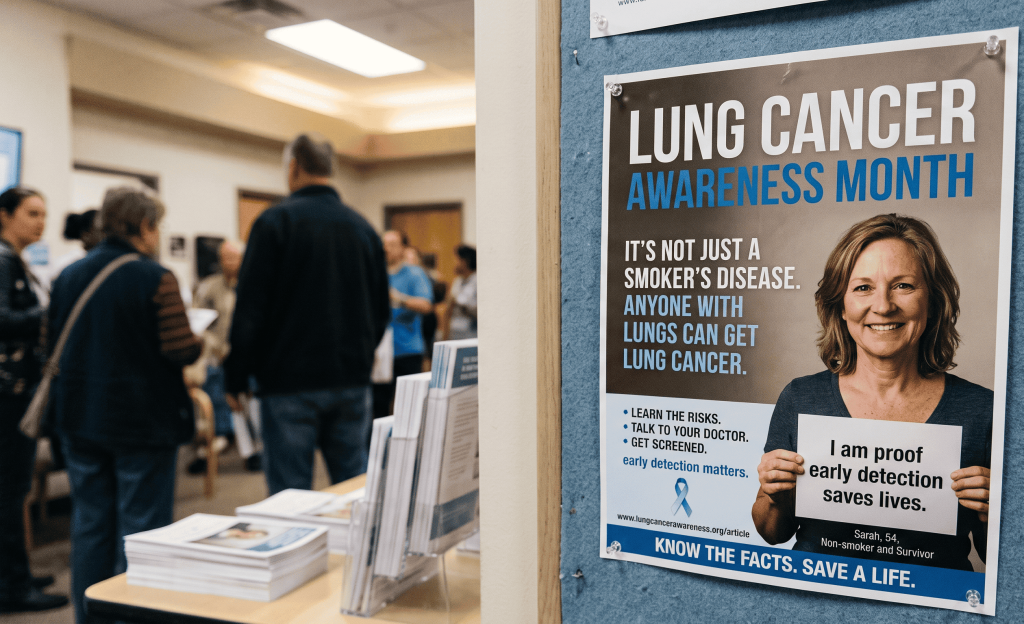
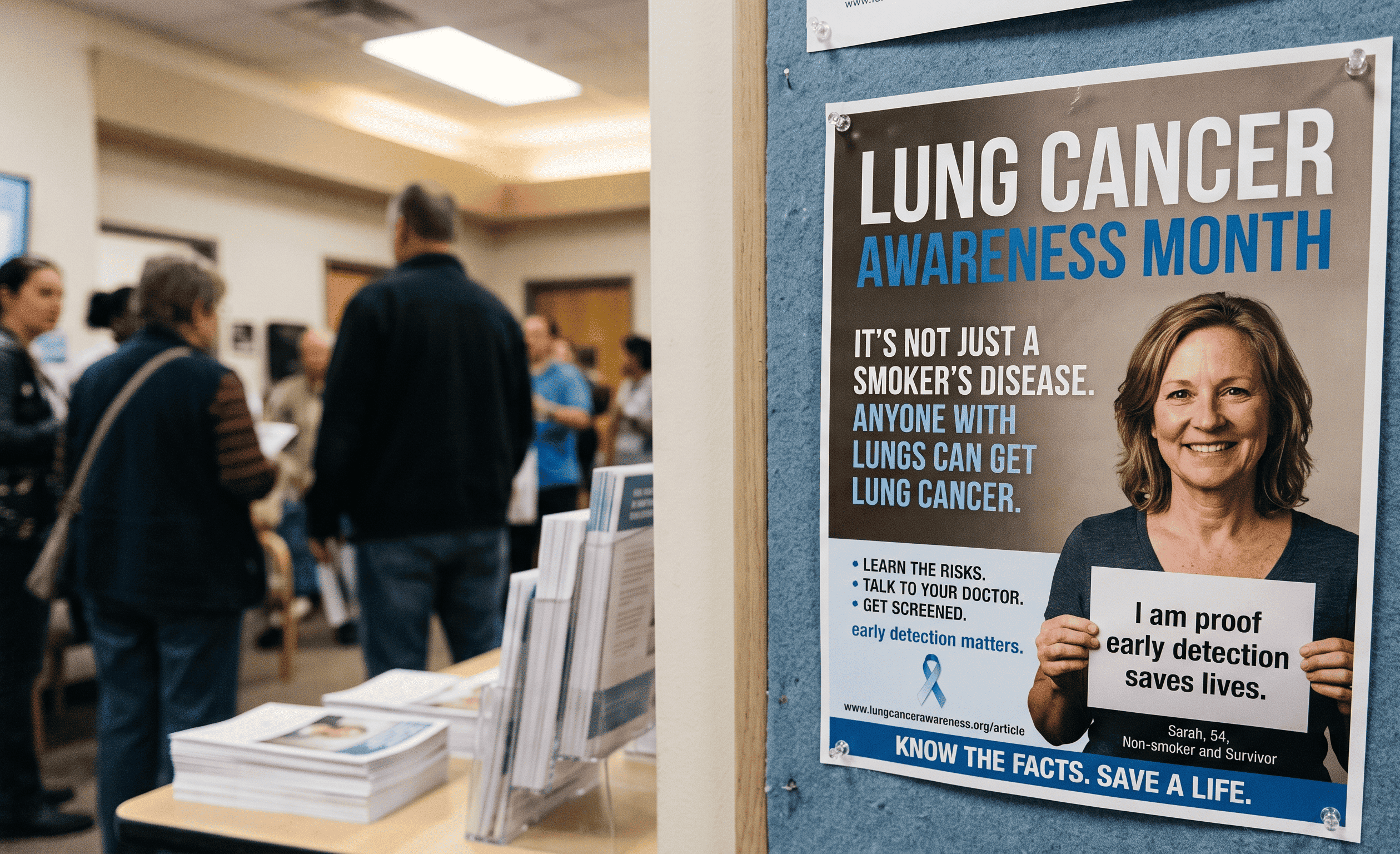
The main obstacle in detecting lung cancer is that early symptoms tend not to appear, so individuals do not feel the need to undergo a lung health check-up. Indeed, individuals must pay attention if they experience a prolonged cough, coughing up blood, chest pain, difficulty breathing, and hoarseness.

It Starts from Uncontrolled Mutations

The initial formation of lung cancer, as with cancer in general, begins with uncontrolled cell mutations. These mutations are caused by repeated genetic damage due to carcinogenic substances, such as cigarette smoke, radon gas, or asbestos. Initially, body cells have the ability to repair DNA damage in the cells. However, continuous exposure will damage the genes that regulate cell growth.

Because mutations in cells cannot be controlled, damaged cells do not die as they should. Cells continue to divide rapidly and form clusters of abnormal tissue. The continuous accumulation of abnormal cell growth eventually forms a tumor, or if in the lungs, it will appear as a lump. At this stage, the tumor can be benign (precancerous), but if not addressed, it will become malignant.

When a tumor has become malignant, invasive spreading will occur. In cases of lung cancer, cancer cells will penetrate the surrounding tissues and enter the bloodstream or lymph nodes, spreading to other organs such as the bones, brain, and even the liver.

Reviewing Risk Factors in the Environment

Cigarettes are one of the highest contributing factors to lung cancer, accounting for up to 80% of deaths among sufferers. In addition, individuals who inhale cigarette smoke (passive smokers) are at a 20%-30% risk of developing lung cancer.

Apart from cigarettes, exposure to toxic substances such as asbestos, arsenic, silica, diesel smoke, and chromium can increase an individual’s risk of developing lung cancer. Exposure to these substances is more dangerous if the individual is in an enclosed space. When individuals live in areas with high air pollution, toxic substances can enter the respiratory tract and gradually damage lung cells.

In addition to external factors, individuals with a family history of lung cancer also have a risk of 8%-14%. Having blood relatives (parents or siblings) with a history of lung cancer can increase an individual’s likelihood of developing the disease as well, especially if their parents were diagnosed at a young age.

Stages of Lung Cancer

The stage of lung cancer is used to describe the extent to which cancer cells have grown and spread in the body. Determining the stage is one of the important steps in the diagnostic process as it helps doctors identify the most appropriate therapy options, estimate the patient’s prognosis, and develop an optimal care plan. In general, the stage of lung cancer is determined based on the size of the tumor, the involvement of lymph nodes, and the spread of cancer to other organs.

In the early stage (stage I), cancer is still confined to the lungs and has not spread to lymph nodes or other organs. At this stage, the tumor size is generally still relatively small, so the chances of successful treatment tend to be better if detected and managed early. Entering stage II, the tumor size may increase or begin to involve lymph nodes around the lungs, although its spread is still relatively limited.

In stage III, cancer has spread more extensively to the lymph nodes within the chest cavity or to the tissues surrounding the lungs. This stage is often referred to as locally advanced because the cancer has not yet spread to distant organs, but its management becomes more complex and usually requires a combination of several treatment methods, such as surgery, chemotherapy, radiotherapy, or targeted therapy, depending on the patient’s condition.

Meanwhile, stage IV is the most advanced stage, where cancer cells have spread to other organs outside the lungs, such as the liver, bones, brain, or the opposite lung. At this stage, the goals of treatment generally focus on controlling cancer growth, prolonging life expectancy, alleviating symptoms, and improving the patient’s quality of life.

The High Mortality Rate from Lung Cancer Worldwide and in Indonesia

Lung cancer remains the leading cause of cancer-related deaths worldwide. According to GLOBOCAN 2022 data released by the International Agency for Research on Cancer (IARC), it is estimated that there were approximately 1.8 million deaths due to lung cancer throughout 2022. This figure represents nearly 1 in 5 cancer deaths globally, making lung cancer the type of cancer with the highest mortality rate compared to other cancers. The high mortality rate is influenced by various factors, including symptoms that often only appear at advanced stages, delayed diagnosis, and the still high prevalence of risk factors such as smoking habits, exposure to air pollution, and exposure to carcinogenic substances in the workplace.

A similar situation also occurs in Indonesia. GLOBOCAN data from 2022 indicates that lung cancer is the leading cause of cancer-related deaths in Indonesia, even though in terms of the number of new cases, it ranks second after breast cancer. The high mortality rate suggests that most patients are diagnosed only when the disease has reached an advanced stage, resulting in more limited therapy options and generally poorer patient prognosis.

The high mortality rate of lung cancer serves as a reminder of the importance of prevention efforts, early detection, and access to quality healthcare services. Education regarding risk factors, screening programs for high-risk groups, as well as the utilization of digital technology to support the diagnostic process and medical record documentation are essential components in enhancing the quality of cancer care. With an increasingly integrated service system, healthcare facilities can accelerate the diagnostic process, monitor the course of the disease more comprehensively, and support more accurate clinical decision-making to improve patients’ chances of successful treatment.

Challenges Faced by Hospitals in Managing Cancer Patients

The management of cancer patients is a complex and ongoing process, involving various disciplines, stages of care, and monitoring of the patient’s condition over an extended period. During the course of treatment, patients may undergo a variety of procedures, ranging from diagnostic examinations, medical interventions, chemotherapy, radiotherapy, to regular monitoring of therapy response. This complexity generates a very large and continuously increasing volume of clinical data, requiring hospitals to be able to manage patient information accurately, quickly, and in an integrated manner.

One of the challenges frequently faced by healthcare facilities is clinical fatigue or nurse fatigue, which is a condition of physical and mental exhaustion experienced by healthcare workers due to high workloads, the complexity of services, and repetitive administrative demands. In oncology services, healthcare workers must interact with a vast amount of important data, such as diagnosis history, laboratory test results, pathology reports, therapy schedules, medication usage, and the patient’s condition progression over time. When this information is spread across various systems or still managed manually, healthcare workers require more time to search for, verify, and update the necessary data.

This condition has the potential to increase the risk of data entry errors, information duplication, documentation delays, as well as the omission of important clinical information. As a result, the medical decision-making process may become suboptimal and potentially hinder the timely provision of interventions. In certain cases, limited access to complete and up-to-date data may also affect coordination among service units involved in the management of cancer patients.

Therefore, hospitals require an information management system that is capable of enhancing data accessibility, simplifying documentation processes, and supporting collaboration among healthcare professionals. With the availability of integrated and easily accessible data, medical personnel can focus more on patient care, while risks associated with administrative fatigue and recording errors can be minimized. Ultimately, effective data management not only supports hospital operational efficiency but also contributes to improving patient safety and the overall quality of cancer care services.

As a company focused on developing healthcare technology solutions, Medinfras is committed to supporting digital transformation in healthcare facilities through an integrated Hospital Management Information System (HMIS). By providing a system that supports real-time data availability and accessibility, Medinfras helps hospitals create more efficient workflows, enhance collaboration between service units, and reduce administrative burdens that could potentially trigger clinical fatigue. Through the appropriate use of technology, hospitals can focus more on delivering high-quality, safe, and patient-centered oncology services.


Share:

More Posts

Healthy Family Lifestyle as the Most Precious Lifelong Investment

Healthy Family Lifestyle as the Most Precious Lifelong Investment Health is one of the most valuable aspects of family life. However, maintaining good health is not only about treating illnesses when they arise, but also about building habits that help every family member stay healthy in the long term. Simple habits practiced together can become the foundation for a better quality of life while fostering an awareness of the importance of health from an early age. The family plays an important role in shaping an individual’s lifestyle. The way parents choose food, stay active, rest, and maintain personal hygiene can become an example that children naturally follow. Therefore, building a healthy lifestyle within the family not only benefits health today but also serves as an investment in the future. The Family as a Source of Knowledge for a Healthy Lifestyle The family is the first environment where individuals learn about various aspects of everyday life, including how to maintain their health. Knowledge about nutritious food, personal hygiene, physical activity, adequate rest, and the importance of health check-ups can be introduced through habits practiced together at home. The role of the family is particularly important because habits developed during childhood can influence an individual’s lifestyle later in life. Children who are accustomed to eating nutritious food, staying physically active, getting sufficient sleep, and understanding the importance of personal hygiene have a stronger foundation for maintaining a healthy lifestyle as they grow older. This is one of the reasons why Family Health and Fitness Day, observed on September 24, 2026, provides an opportunity for families to pay greater attention to their health as a whole. The observance can serve as a reminder to consider not only physical health but also the habits and environment that support the well-being of every family member. Maintaining family health does not always have to begin with major changes. In fact, simple habits practiced consistently can make a meaningful difference. When family members support one another in adopting healthier habits, health becomes more than an individual responsibility—it becomes part of a culture built together. Simple Healthy Lifestyle Habits for the Family Adopting a healthy lifestyle within the family can begin with simple and practical activities. One of them is developing healthier and more balanced eating habits. Including a variety of vegetables, fruits, protein sources, and sufficient fluids in daily meals can help meet the nutritional needs of family members. Physical activity can also be incorporated into family life without requiring strenuous exercise. Walking around the neighborhood, cycling, playing with children, gardening, or doing household activities together can all provide opportunities to stay active while spending quality time as a family. In addition to nutrition and physical activity, adequate sleep plays an important role in maintaining overall health. Establishing a consistent sleep routine, limiting the use of digital devices before bedtime, and creating a comfortable sleeping environment can help family members get sufficient rest. Health also encompasses mental and emotional well-being. Taking time to talk, listen to one another, engage in activities together, and create a supportive home environment can contribute to better emotional health. Therefore, a healthy lifestyle is not only about what we eat or how often we exercise, but also about how families create an environment that supports overall well-being. Preventive Healthcare in Supporting Family Health A healthy lifestyle is an important part of disease prevention, but maintaining family health should also be supported by preventive healthcare. This approach emphasizes preventing diseases and detecting potential health concerns at an early stage, before they develop into more serious conditions. One important form of prevention is vaccination. Immunization helps protect individuals against various vaccine-preventable diseases, particularly infants and children. By ensuring that vaccination schedules are followed, families not only protect the individuals receiving the vaccines but also contribute to broader community protection. In addition to vaccination, regular health check-ups are an important part of preventive healthcare. Routine examinations allow health conditions to be monitored over time and help healthcare professionals identify potential risk factors or changes at an early stage. The type and frequency of examinations can be adjusted according to age, health conditions, family history, and individual needs. For families with children, growth and developmental monitoring is another important aspect of preventive care. Weight and height, motor skills, communication abilities, and social and emotional development can provide valuable indicators of a child’s overall health and development. Regular monitoring helps parents and healthcare professionals identify potential concerns that may require further attention. Preventive healthcare can be even more effective when the health information of each family member is properly documented. Vaccination records, examination results, children’s growth records, and previous healthcare visits can provide valuable information for healthcare professionals when evaluating a patient’s condition and determining appropriate follow-up care. The digitalization of healthcare services can further support this process by providing access to health information in a more structured and accessible manner. Integrated healthcare information systems enable healthcare facilities to manage patient data more efficiently while helping healthcare professionals provide services based on more comprehensive information. Ultimately, family health is built through many small habits practiced consistently. Choosing healthier foods, staying physically active, getting adequate rest, maintaining mental well-being, and keeping up with regular health check-ups and vaccinations are all forms of investment that can provide long-term benefits. A healthy family is not built in a day. It is built through knowledge, habits, care, and the small decisions made together every day. Taking care of family health today is therefore one of the most valuable investments in creating a healthier future.

How significant is Exercising on Improving Heart’s Health?

How significant is Exercising on Improving Heart’s Health? The heart is one of the body’s most vital organs, working continuously to keep the body functioning. Every heartbeat pumps blood throughout the body, delivering oxygen and essential nutrients to various organs. Therefore, maintaining heart health is an important part of preserving quality of life, particularly amid modern lifestyles that are becoming increasingly sedentary. Regular physical activity is one of the most widely recommended ways to support cardiovascular health. However, maintaining a healthy heart is not determined solely by how often a person exercises. Diet, sleep quality, stress levels, smoking habits, and regular health check-ups also play important roles in maintaining cardiovascular health. The Heart: The Lifeline of the Human Body The heart is a muscular organ responsible for pumping blood throughout the body through the circulatory system. Blood carries oxygen and nutrients needed by various organs to function properly while also transporting metabolic waste for processing and elimination. Because the heart works continuously, it requires healthy conditions to perform its functions effectively. When heart health is compromised, blood flow to other organs can also be affected. Cardiovascular diseases can lead to serious complications and remain an important health concern that requires ongoing attention. Maintaining heart health should ideally begin at an early age by developing habits that support overall well-being. Regular physical activity, a balanced diet, maintaining a healthy weight, managing stress, and avoiding habits that increase the risk of heart disease are among the steps that can be incorporated into everyday life. The Prevalence of Heart Disease in Indonesia Cardiovascular disease remains one of the major health concerns in Indonesia. Heart disease can be influenced by various risk factors, including high blood pressure, uncontrolled cholesterol levels, diabetes, obesity, physical inactivity, smoking, and unhealthy dietary patterns. The burden of heart disease also needs to be considered alongside the increasing prevalence of risk factors within the population. Sedentary lifestyles, limited physical activity, frequent consumption of foods high in sugar, salt, and unhealthy fats, as well as high levels of stress may increase a person’s risk of developing cardiovascular problems. This highlights that maintaining heart health is not solely the responsibility of healthcare facilities. Prevention should begin at the individual and family levels through healthy lifestyle practices and greater awareness of the importance of regular health check-ups. Health screenings play an important role because some cardiovascular risk factors can develop without causing noticeable symptoms. Monitoring blood pressure, blood sugar, cholesterol levels, body weight, and other health indicators can help individuals understand their health status and take preventive measures when risk factors are identified. What Types of Exercise Can Help Maintain Heart Health? Exercise is an important form of physical activity that can benefit cardiovascular health. Aerobic or cardiovascular activities such as brisk walking, cycling, swimming, jogging, and dancing can help strengthen the heart and improve the body’s ability to use oxygen efficiently. Regular physical activity can also help maintain healthy blood pressure, manage body weight, improve physical fitness, and control several cardiovascular risk factors. High-intensity workouts are not always necessary to achieve these benefits. Activities performed consistently and adapted to an individual’s physical condition can become an effective part of a healthy routine. In addition to aerobic activities, strength training can contribute to a balanced exercise routine. Exercises such as bodyweight movements, resistance band exercises, and weight training can help maintain muscle mass and strength. Combining aerobic activity with strength, flexibility, and balance exercises can support overall physical fitness. For individuals who have not exercised regularly, starting with light activities and gradually increasing the intensity can be a more appropriate approach. Consistency is often more important than pushing the body through intense exercise in a short period. Individuals with existing health conditions or a high risk of cardiovascular disease should consult a healthcare professional regarding the appropriate type and intensity of exercise. Exercise Is Not Enough: Lifestyle Matters Too For individuals who have not exercised regularly, starting with light activities and gradually increasing the intensity can be a more appropriate approach. Consistency is often more important than pushing the body through intense exercise in a short period. Individuals with Exercise plays an important role in maintaining heart health, but its benefits are most effective when combined with an overall healthy lifestyle. Regular physical activity should be complemented by a balanced diet, including plenty of vegetables and fruits, nutritious sources of protein, and limited consumption of foods high in salt, sugar, and saturated fat. Sleep quality and stress management should not be overlooked. Insufficient sleep and prolonged stress can affect various aspects of health and contribute to cardiovascular risk factors. Therefore, getting adequate rest and finding healthy ways to manage stress are also important parts of maintaining heart health. Avoiding smoking is another essential step. Smoking can increase the risk of various cardiovascular diseases, making quitting smoking and avoiding exposure to secondhand smoke important measures for protecting heart health. Alongside lifestyle changes, regular health check-ups can help identify risk factors at an early stage. Information such as blood pressure, cholesterol levels, blood sugar, body weight, and medical history can provide valuable insights for healthcare professionals when determining appropriate preventive measures. Healthcare technology can also support continuous health monitoring. Structured health records allow healthcare professionals to gain a clearer picture of a patient’s condition over time and support decision-making based on more comprehensive information. For healthcare facilities, integrated information systems can help manage patients’ examination and healthcare histories more effectively. Ultimately, exercise is an important investment in maintaining heart health, but it is not the only one. A healthy heart is supported by a combination of regular physical activity, a balanced diet, adequate rest, effective stress management, and routine health monitoring. Small habits practiced consistently can make a meaningful difference in protecting cardiovascular health and improving quality of life in the long term.

Harnessing Local Food to Strengthen Indonesia’s Food Security

Harnessing Local Food to Strengthen Indonesia’s Food Security Indonesia is known for its abundant natural resources and remarkable food diversity. Different regions across the country have their own food products that have been cultivated and consumed for generations, ranging from rice, corn, cassava, sago, and sweet potatoes to various types of beans, fruits, and vegetables. This diversity represents an important resource for meeting people’s nutritional needs while strengthening national food security. However, Indonesia’s rich food resources need to be accompanied by sustainable management and utilization. Changes in consumption patterns, dependence on certain commodities, climate change, and evolving consumer needs present challenges that must be addressed. Expanding the use of local food can be one way to create a more diverse, self-reliant, and adaptable food system. The Importance of Local Food in the Daily Diet of Indonesian Communities Local food is an integral part of everyday life in Indonesia. Each region has food resources that grow and thrive according to its geographical conditions, climate, and cultural traditions. This diversity can be seen in the many traditional dishes that use locally sourced ingredients as important sources of energy and nutrients. Consuming local food is not simply about preserving traditional cuisine. It also creates opportunities to develop a more diverse diet. Foods such as corn, cassava, sweet potatoes, sago, sorghum, and various legumes can serve as alternative sources of carbohydrates and nutrients while complementing people’s existing dietary choices. Beyond nutritional benefits, utilizing local food can also contribute to the local economy. Growing demand for local food products can create opportunities for farmers, fishers, livestock producers, and food-processing businesses across different regions. In this way, local food consumption can strengthen the connection between communities as consumers and local food producers. Making local food part of everyday consumption can also help preserve ingredients that represent the identity of different regions. When communities continue to recognize and consume food that is available in their surroundings, traditional knowledge about how to prepare and utilize these resources can be passed on to future generations. Managing Food Security in Indonesia Food security is not simply about having enough food available. A resilient food system must also ensure that people have access to food that is safe, nutritious, affordable, and sustainably available. Indonesia faces unique challenges in building food security due to its geographical characteristics as an archipelagic nation. Food distribution between regions, climate change, population growth, fluctuations in commodity prices, and changing consumption patterns can all affect food availability and accessibility. In this context, food diversification is an important approach. Excessive dependence on a single commodity can increase vulnerability when disruptions occur in production or distribution. By utilizing a wider range of food sources available across different regions, Indonesia can develop a food system that is more diverse and adaptable. Strengthening food security also requires collaboration among various stakeholders. The government plays a role in developing policies and infrastructure that support food security, while the agricultural and food industries contribute to maintaining production and processing. At the same time, communities can contribute through their consumption choices, which can help encourage the sustainability of local food systems. The Potential of Local Food in Indonesia Indonesia’s biodiversity provides enormous potential for developing diverse food sources. Not every nutritional need has to depend on the same commodities. Different regions possess food crops that are well suited to their local environments and have been utilized by communities for generations. Sago, for example, plays an important role as a staple food in several parts of Eastern Indonesia. Cassava and sweet potatoes are also widely cultivated in various regions and can serve as alternative sources of carbohydrates. Corn, sorghum, legumes, and various fruits and vegetables likewise have significant potential to support food diversification while increasing the economic value of agricultural products. This potential becomes even greater when local food is viewed not only as a raw ingredient but also as a product that can be developed into higher-value goods. Food processing technology can help transform local ingredients into products that are more practical, appealing, and suitable for modern consumer needs while maintaining the characteristics of their original ingredients. The development of local food can also create opportunities for businesses and the creative industry to introduce new innovations. Local food products can be presented in modern packaging, marketed through digital platforms, and introduced to a broader range of consumers. Through this approach, local food can remain an important part of cultural heritage while also becoming a relevant part of today’s food industry. The Role of the Modern Generation in Supporting Local Food Consumption The modern generation plays an important role in shaping future food consumption patterns. With easier access to a wide variety of food products, consumer choices can influence the sustainability of food supply chains, including the continued development of local food products. Supporting local food can begin with simple actions, such as learning about food resources produced in surrounding communities, choosing locally produced products, exploring dishes made with alternative local ingredients, and sharing information about local food through social media. The role of younger generations can also extend to innovating in the way local food is processed, packaged, and marketed so that it becomes more relevant to today’s consumers. Digital technology provides even greater opportunities for the modern generation to promote local food. Social media, e-commerce, and other digital platforms can connect local producers with consumers across a wider geographical area. With creativity and the appropriate use of technology, local food products can become more competitive while reaching markets that were previously difficult to access. Ultimately, strengthening Indonesia’s food security is a shared responsibility. The country’s food diversity is a valuable asset that must be preserved, developed, and utilized sustainably. Supporting local food is not merely about choosing ingredients produced within one’s own region. It is also about building a more diverse food system, supporting local economies, and reducing dependence on specific food sources. Through greater awareness, innovation, and collaboration, local food can play an important role in strengthening Indonesia’s food security. What

Modern Elderly Wellness: Never Too Late to Reinvent Yourself

Modern Elderly Wellness: Never Too Late to Reinvent Yourself Growing older does not  mean giving up an active and meaningful life. Every stage of life rings changes and challenges, but it also offers opportunities to better understand our needs and discover new ways to enjoy life. As people enter their later years, maintaining good health is not only about physical well-being, but also about staying active, maintaining social connections, and engaging in activities that bring meaning and purpose. One initiative that highlights the importance of older adults’ health and well-being is Healthy Aging Month, observed every September. This observance serves as a reminder that healthy aging is a lifelong journey that requires preparation and continuous effort. Healthy aging does not mean avoiding every change that comes with getting older, but rather learning to adapt while continuing to live according to one’s abilities and individual needs. Every Stage of Life Is an Opportunity to Live a Healthier Life Growing older is a natural process experienced by everyone. For this reason, maintaining good health should not only begin when someone reaches old age. Healthy habits developed earlier in life, such as maintaining a balanced diet, staying physically active, getting sufficient rest, and undergoing regular health check-ups, can become an important foundation for healthier aging. However, entering old age does not mean that opportunities to improve one’s habits have come to an end. Every stage of life provides an opportunity to make changes that are better suited to one’s current physical condition and personal needs. Simple activities such as walking, pursuing hobbies, maintaining social connections, or participating in community activities can contribute to better health while also improving quality of life. Healthy Aging Month encourages people to view the aging process from a more positive perspective. Age is not the only factor that determines a person’s ability to remain productive and enjoy life. With the right environment and healthy lifestyle habits, older adults can continue participating in various activities, developing their interests, and contributing to their families and communities. Changes We Experience as We Grow Older As people age, the body undergoes various changes that are a natural part of the aging process. Physical abilities may gradually decline, including muscle strength, balance, flexibility, and endurance. Certain sensory functions, including vision and hearing, may also change. These changes can affect how older adults perform their daily activities. Changes are not limited to physical health. Older adults may also experience changes in sleep patterns, memory, mood, and their need for social interaction. Major life changes, such as retirement, the loss of a spouse or close friends, and reduced daily activities, may also affect psychological well-being. Nevertheless, aging affects everyone differently. The aging process is highly personal and can be influenced by various factors, including lifestyle, health conditions, environment, and social support. Therefore, increasing age should not be viewed simply as a limitation, but rather as a condition that needs to be understood so individuals can adjust their activities and habits according to their abilities. Regular health monitoring also plays an important role. Routine health examinations can help identify changes in health at an early stage, allowing preventive measures or appropriate treatment to be provided. This enables older adults to continue carrying out their daily activities safely and independently according to their individual conditions. How to Practice Healthy Aging Practicing healthy aging does not always require major lifestyle changes. Simple habits performed consistently can have meaningful long-term benefits. One of them is staying physically active according to one’s abilities. Walking, stretching, gardening, or engaging in light physical activities can help maintain strength and flexibility. A healthy diet is also an important part of maintaining health in later life. Consuming a variety of nutritious foods and maintaining adequate fluid intake can help meet the body’s nutritional needs. For individuals with specific health conditions, dietary choices should be adjusted according to the recommendations of healthcare professionals. In addition to physical health, mental well-being and social connections are equally important. Staying connected with family, meeting friends, participating in community activities, learning new things, or pursuing hobbies can help maintain social engagement and provide a sense of purpose in everyday life. Regular health check-ups should also become part of a healthy routine. Understanding one’s overall health condition allows individuals to take appropriate steps to maintain their quality of life. Medication management, monitoring chronic conditions, sensory examinations, and consultations with healthcare professionals can help ensure that the health needs of older adults remain properly monitored. Ultimately, healthy aging is not about maintaining the same physical condition as when we were young. Rather, it is about adapting to changes while maintaining health, independence, social connections, and the ability to engage in activities that bring meaning to life. Every Change and Every Effort to Stay Active Matters Growing older may bring changes that cannot be avoided, but these changes do not take away the opportunity to live a meaningful life. Rediscovering activities that bring joy, trying something new, maintaining relationships with loved ones, or simply making time for oneself can all contribute to well-being and are often just as important as physical health. Every effort to stay active matters. It does not always have to involve significant or demanding activities. Being able to carry out daily activities independently, participate in family activities, pursue hobbies, or interact with the surrounding community can all be meaningful achievements in the journey toward healthy aging. At the same time, support from family, communities, and healthcare facilities plays an important role in helping older adults maintain a better quality of life. Continuous health monitoring and access to appropriate healthcare services can help older adults understand changes in their health while ensuring that appropriate care is provided when needed. Ultimately, growing older does not mean losing the opportunity to grow as a person. Every stage of life offers room to learn, adapt, stay active, and rediscover the things that bring happiness. It is never too late to develop healthier habits, rediscover yourself, and live a more meaningful life.

Lung Cancer Cases Remain High and Hospitals MUST Be Prepared to Act Fast

Lung Cancer Cases Remain High and Hospitals MUST Be Prepared to Act Fast As of 2020, according to the Global Cancer Observatory (GLOBOCAN), Indonesia ranked third as the country with the highest number of lung cancer cases. In addition, lung cancer is the leading cause of death in Indonesia, with a mortality rate of 13.2% out of a total of 30,843 cases. The main obstacle in detecting lung cancer is that early symptoms tend not to appear, so individuals do not feel the need to undergo a lung health check-up. Indeed, individuals must pay attention if they experience a prolonged cough, coughing up blood, chest pain, difficulty breathing, and hoarseness. It Starts from Uncontrolled Mutations The initial formation of lung cancer, as with cancer in general, begins with uncontrolled cell mutations. These mutations are caused by repeated genetic damage due to carcinogenic substances, such as cigarette smoke, radon gas, or asbestos. Initially, body cells have the ability to repair DNA damage in the cells. However, continuous exposure will damage the genes that regulate cell growth. Because mutations in cells cannot be controlled, damaged cells do not die as they should. Cells continue to divide rapidly and form clusters of abnormal tissue. The continuous accumulation of abnormal cell growth eventually forms a tumor, or if in the lungs, it will appear as a lump. At this stage, the tumor can be benign (precancerous), but if not addressed, it will become malignant. When a tumor has become malignant, invasive spreading will occur. In cases of lung cancer, cancer cells will penetrate the surrounding tissues and enter the bloodstream or lymph nodes, spreading to other organs such as the bones, brain, and even the liver. Reviewing Risk Factors in the Environment Cigarettes are one of the highest contributing factors to lung cancer, accounting for up to 80% of deaths among sufferers. In addition, individuals who inhale cigarette smoke (passive smokers) are at a 20%-30% risk of developing lung cancer. Apart from cigarettes, exposure to toxic substances such as asbestos, arsenic, silica, diesel smoke, and chromium can increase an individual’s risk of developing lung cancer. Exposure to these substances is more dangerous if the individual is in an enclosed space. When individuals live in areas with high air pollution, toxic substances can enter the respiratory tract and gradually damage lung cells. In addition to external factors, individuals with a family history of lung cancer also have a risk of 8%-14%. Having blood relatives (parents or siblings) with a history of lung cancer can increase an individual’s likelihood of developing the disease as well, especially if their parents were diagnosed at a young age. Stages of Lung Cancer The stage of lung cancer is used to describe the extent to which cancer cells have grown and spread in the body. Determining the stage is one of the important steps in the diagnostic process as it helps doctors identify the most appropriate therapy options, estimate the patient’s prognosis, and develop an optimal care plan. In general, the stage of lung cancer is determined based on the size of the tumor, the involvement of lymph nodes, and the spread of cancer to other organs. In the early stage (stage I), cancer is still confined to the lungs and has not spread to lymph nodes or other organs. At this stage, the tumor size is generally still relatively small, so the chances of successful treatment tend to be better if detected and managed early. Entering stage II, the tumor size may increase or begin to involve lymph nodes around the lungs, although its spread is still relatively limited. In stage III, cancer has spread more extensively to the lymph nodes within the chest cavity or to the tissues surrounding the lungs. This stage is often referred to as locally advanced because the cancer has not yet spread to distant organs, but its management becomes more complex and usually requires a combination of several treatment methods, such as surgery, chemotherapy, radiotherapy, or targeted therapy, depending on the patient’s condition. Meanwhile, stage IV is the most advanced stage, where cancer cells have spread to other organs outside the lungs, such as the liver, bones, brain, or the opposite lung. At this stage, the goals of treatment generally focus on controlling cancer growth, prolonging life expectancy, alleviating symptoms, and improving the patient’s quality of life. The High Mortality Rate from Lung Cancer Worldwide and in Indonesia Lung cancer remains the leading cause of cancer-related deaths worldwide. According to GLOBOCAN 2022 data released by the International Agency for Research on Cancer (IARC), it is estimated that there were approximately 1.8 million deaths due to lung cancer throughout 2022. This figure represents nearly 1 in 5 cancer deaths globally, making lung cancer the type of cancer with the highest mortality rate compared to other cancers. The high mortality rate is influenced by various factors, including symptoms that often only appear at advanced stages, delayed diagnosis, and the still high prevalence of risk factors such as smoking habits, exposure to air pollution, and exposure to carcinogenic substances in the workplace. A similar situation also occurs in Indonesia. GLOBOCAN data from 2022 indicates that lung cancer is the leading cause of cancer-related deaths in Indonesia, even though in terms of the number of new cases, it ranks second after breast cancer. The high mortality rate suggests that most patients are diagnosed only when the disease has reached an advanced stage, resulting in more limited therapy options and generally poorer patient prognosis. The high mortality rate of lung cancer serves as a reminder of the importance of prevention efforts, early detection, and access to quality healthcare services. Education regarding risk factors, screening programs for high-risk groups, as well as the utilization of digital technology to support the diagnostic process and medical record documentation are essential components in enhancing the quality of cancer care. With an increasingly integrated service system, healthcare facilities can accelerate the diagnostic process, monitor the course of the disease more comprehensively, and